
Receiving a denial letter from your insurance company after your property has been damaged can feel overwhelming and unfair. After paying premiums for years, many Florida homeowners and business owners expect their insurance company to step in and help when disaster strikes. Unfortunately, insurance companies often deny valid claims for hurricane damage, roof leaks, water damage, hail damage, fire losses, and other property damage claims.
If your insurance claim was denied in Florida, it is important to understand that a denial is not always the final word. Many denied insurance claims can be challenged, reopened, negotiated, or litigated.
At Eisenstein Legal, we help Florida property owners fight back against denied, delayed, and underpaid insurance claims.
Common Reasons Insurance Companies Deny Property Damage Claims
Insurance companies may deny claims for many different reasons. Some denials are legitimate, but others are based on incomplete investigations, improper inspections, or incorrect interpretations of the policy.
Some of the most common reasons insurance claims are denied in Florida include:
- Alleged wear and tear
- Claiming the damage was pre-existing
- Failure to report the claim promptly
- Disputes over the cause of damage
- Alleged lack of maintenance
- Failure to comply with post-loss obligations
- Exclusions in the policy
- Improper engineering reports
- Claims that the damage was not caused by a covered peril
In many cases, the insurance company relies heavily on its own adjusters or engineers to support the denial. However, those inspections are not always thorough or accurate.
Step 1: Carefully Review the Denial Letter
The first thing you should do after receiving a denial letter is carefully review the insurance company’s explanation.
The denial letter should explain:
- Why the claim was denied
- What policy provisions the carrier is relying on
- Whether the denial applies to all or part of the claim
- Any deadlines or additional information requested
Do not assume the insurance company’s interpretation is correct simply because it appears in writing.
Insurance policies are complex legal contracts, and policy language is often disputed.
Step 2: Preserve Evidence of the Damage
If your claim has been denied, preserving evidence becomes extremely important.
You should:
- Take detailed photographs and videos of all damage
- Save receipts for repairs or mitigation work
- Keep copies of all communications with the insurance company
- Retain inspection reports and estimates
- Avoid discarding damaged materials if possible
Strong documentation can make a significant difference when disputing a denied claim.
Step 3: Do Not Automatically Accept the Denial
Many property owners mistakenly believe there is nothing they can do after receiving a denial letter.
That is not true.
Insurance companies sometimes reverse their decisions after receiving additional evidence, expert opinions, legal arguments, or pressure from experienced legal counsel.
A denied claim may still have substantial value.
Step 4: Have the Policy and Denial Reviewed by a Florida Property Damage Lawyer
One of the most important steps you can take is having an experienced Florida property damage attorney review:
- The insurance policy
- The denial letter
- The inspection reports
- The estimate of damages
- Photographs and other evidence
An attorney can identify whether the insurance company may have:
- Misapplied policy exclusions
- Failed to conduct a proper investigation
- Ignored evidence of covered damage
- Violated Florida insurance laws
- Underestimated the loss
- Relied on flawed engineering opinions
In many situations, legal representation changes how the insurance company handles the claim.
Common Types of Denied Property Damage Claims in Florida
At Eisenstein Legal, we help clients with denied claims involving:
Hurricane Damage Claims
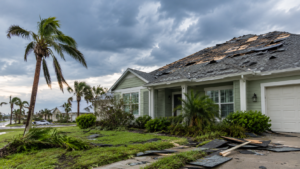
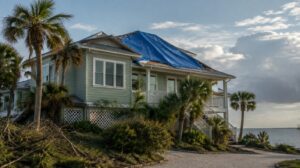
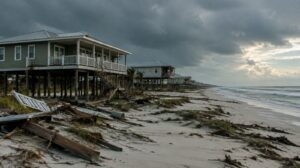
Florida hurricanes frequently cause roof damage, water intrusion, structural damage, and interior losses. Insurance companies may attempt to attribute storm damage to age or wear and tear instead of wind damage.
Water Damage Claims
Water damage claims are commonly denied based on alleged long-term leakage, deterioration, or maintenance issues.
Roof Damage Claims
Roof claims are often disputed by insurance carriers, particularly after windstorms or hailstorms.
Fire Damage Claims
Fire losses can involve disputes over the scope of damage, smoke remediation, and repair costs.
Commercial Property Insurance Claims
Business owners often face major financial disruption when commercial property claims are denied or delayed.
Can You Sue an Insurance Company for Denying a Claim in Florida?
Yes.
Under Florida law, policyholders may have the right to pursue legal action when an insurance company wrongfully denies a covered claim.
Depending on the circumstances, legal action may involve:
- Filing a Notice of Intent to Initiate Litigation
- Negotiating a settlement
- Filing a lawsuit for breach of contract
- Pursuing appraisal when applicable
Every case is different, and the best course of action depends on the facts of the claim and the policy language.
How Long Do You Have to Dispute a Denied Insurance Claim in Florida?
Deadlines do apply to property insurance disputes.
Because delays can impact your rights and the availability of evidence, it is important to act quickly after receiving a denial.
The sooner a claim is reviewed, the better positioned you may be to protect your rights.
What Should You Avoid Doing After a Claim Denial?
After receiving a denial letter, avoid:
- Assuming the insurance company is automatically correct
- Missing important deadlines
- Providing recorded statements without understanding your rights
- Throwing away evidence
- Signing documents without reviewing them carefully
- Waiting too long to seek legal advice
How Eisenstein Legal Helps Florida Property Owners
At Eisenstein Legal, we represent homeowners and business owners throughout Florida in property insurance disputes.
We understand how insurance companies evaluate claims and the tactics they sometimes use to deny, delay, or underpay valid losses.
Our firm helps clients by:
- Reviewing policies and denial letters
- Investigating the claim
- Working with public adjusters and experts when necessary
- Negotiating with insurance companies
- Filing suit when appropriate
- Fighting to maximize recovery under the policy
We also prioritize communication and personalized attention so clients remain informed throughout the process.
Contact a Florida Property Damage Lawyer
If your insurance claim was denied, you do not have to navigate the process alone.
Eisenstein Legal helps Florida homeowners and business owners challenge undeerpaid and denied property insurance claims.
Contact Eisenstein Legal today for a free consultation to discuss your claim and learn how we may be able to help.
Frequently Asked Questions
Can insurance companies deny roof claims in Florida?
Yes, insurance companies frequently deny roof claims by alleging wear and tear, age-related deterioration, or improper maintenance. However, many denied roof claims can still be disputed.
What if the insurance company’s engineer says there is no storm damage?
Engineering reports are not always accurate or complete. In some cases, independent experts identify covered damage that the carrier’s engineer failed to properly evaluate.
Should I hire a lawyer for a denied insurance claim?
If your claim was denied, delayed, or significantly underpaid, speaking with a Florida property damage lawyer can help you understand your rights and available options.
How much does it cost to speak with Eisenstein Legal?
Eisenstein Legal offers free consultations for Florida property owners dealing with property insurance disputes.
What types of insurance claims does Eisenstein Legal handle?
We handle property damage claims involving hurricanes, wind damage, hail, water leaks, roof damage, fire losses, commercial property damage, and other insurance disputes throughout Florida.