If your insurance company tells you it is sending an engineer to inspect your home, you may wonder what that means for your Florida homeowners insurance claim.
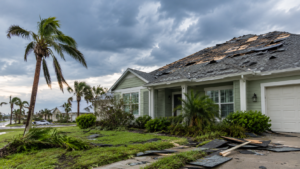
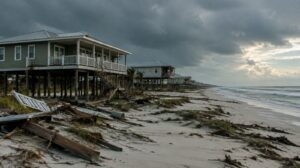
An engineering inspection is common when an insurance company has questions about the cause or extent of home damage. This can happen with roof damage, storm damage, wind damage, water damage, structural issues, and other property insurance claims.
An engineer may be asked to determine how the damage occurred, whether it is consistent with a covered event, and whether other conditions may have contributed to the damage.
What Is the Engineer Looking For?
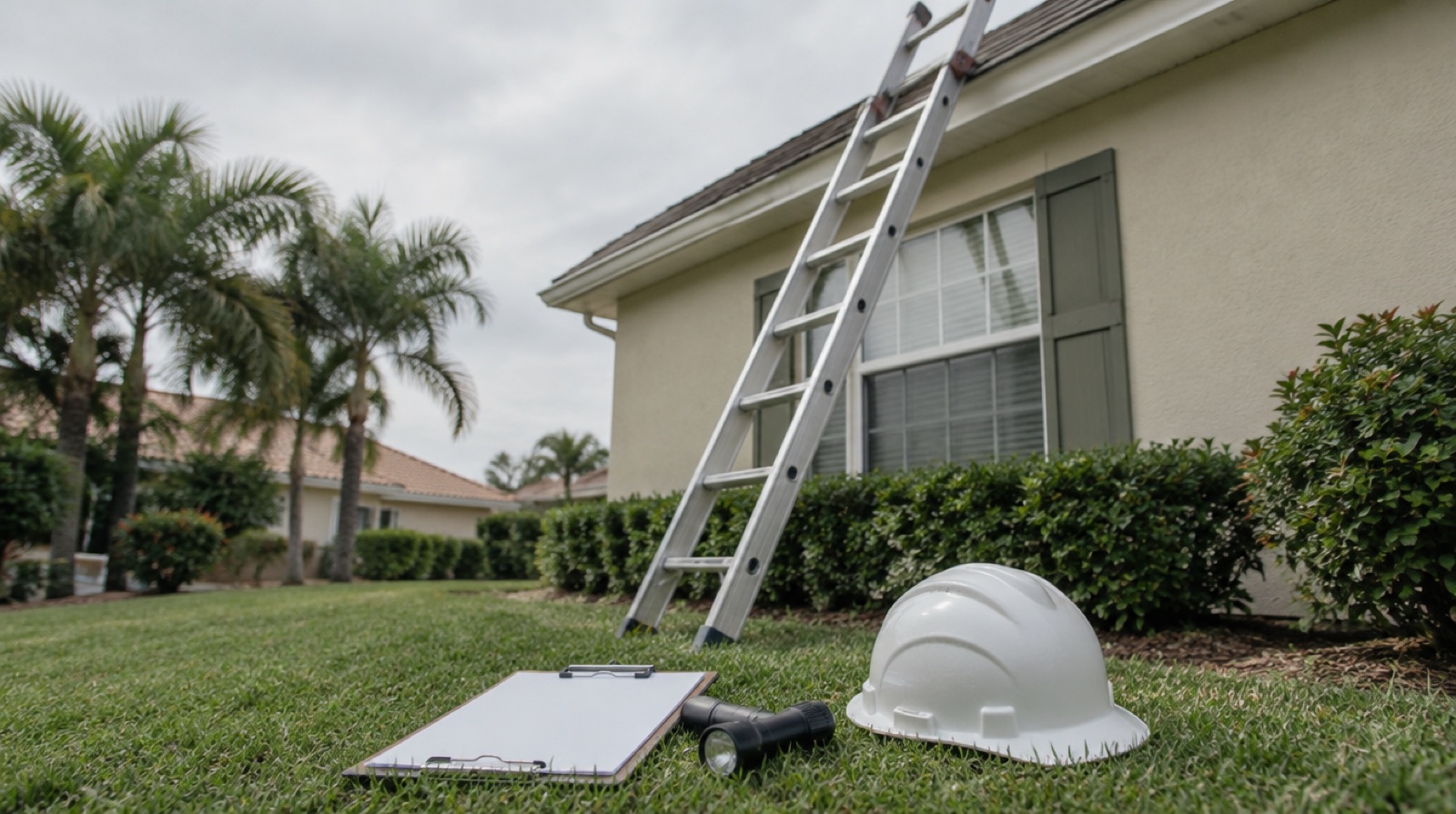
During the inspection, the engineer may:
- Photograph and measure damaged areas
- Inspect your roof and other building materials
- Look for signs of wind or storm damage
- Examine water intrusion or moisture damage
- Look for signs of deterioration or prior repairs
- Review the construction and condition of your home
- Consider other possible causes of the damage
The engineer may also review photographs, contractor estimates, inspection reports, weather information, and other claim documents.
Does the Engineer Decide Whether My Claim Is Covered?
No. The engineer may provide an opinion about the cause of the damage, but the insurance company makes the coverage decision under the terms of your insurance policy.
For example, an engineer may conclude that roof damage resulted from deterioration rather than wind. The insurance company may rely on that opinion when deciding whether to pay the claim.
But the engineer’s report is not the insurance policy, and an engineer does not automatically determine what your policy covers.
What Should I Do Before the Inspection?
Take the inspection seriously and preserve your evidence.
Keep copies of:
- Photos and videos of the damage
- Roofing and contractor estimates
- Inspection reports
- Repair invoices and receipts
- Prior photographs of your home
- Communications with your insurance company
- Any documents relating to your insurance claim
If you have already hired a roofer, contractor, or other professional to inspect the home damage, keep their written findings and photographs.
If emergency repairs are necessary to prevent additional damage, document the condition of the property before making repairs whenever possible.
What If the Engineer Says the Damage Is Wear and Tear?
This is an important issue in many Florida property insurance claims.
A roof can be old and still sustain damage from a covered storm. The fact that a roof has reached a certain age does not automatically determine what caused a particular loss.
If your insurance company denies or limits your claim based on an engineer’s report, look carefully at the reasoning behind the conclusion. What evidence supports it? Did the engineer inspect all of the relevant damage? Does another qualified professional have a different opinion?
You do not have to automatically accept an engineering report simply because it was obtained by your insurance company.
What Happens After the Inspection?
The insurance company may pay the claim, partially pay it, request additional information, or deny coverage.
If the insurer uses the engineer’s findings to deny or limit your home insurance claim, ask for a copy of the engineering report and review the basis for the decision.
If you believe your insurance company is not fairly handling your claim, a Florida property insurance attorney can help you understand your options.
Central Florida Property Damage Attorneys
At Eisenstein Legal, we represent homeowners and business owners throughout Central Florida and across Florida in property insurance disputes involving roof damage, storm damage, wind damage, water damage, fire damage, and other home damage.
If your insurance company has denied or underpaid your claim, or if an engineering report is being used to limit your coverage, contact Eisenstein Legal to discuss your property insurance claim.