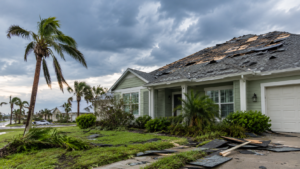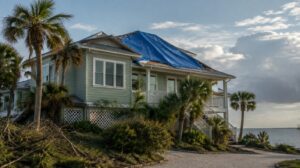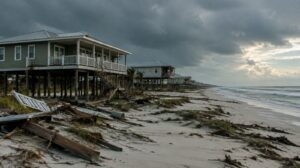
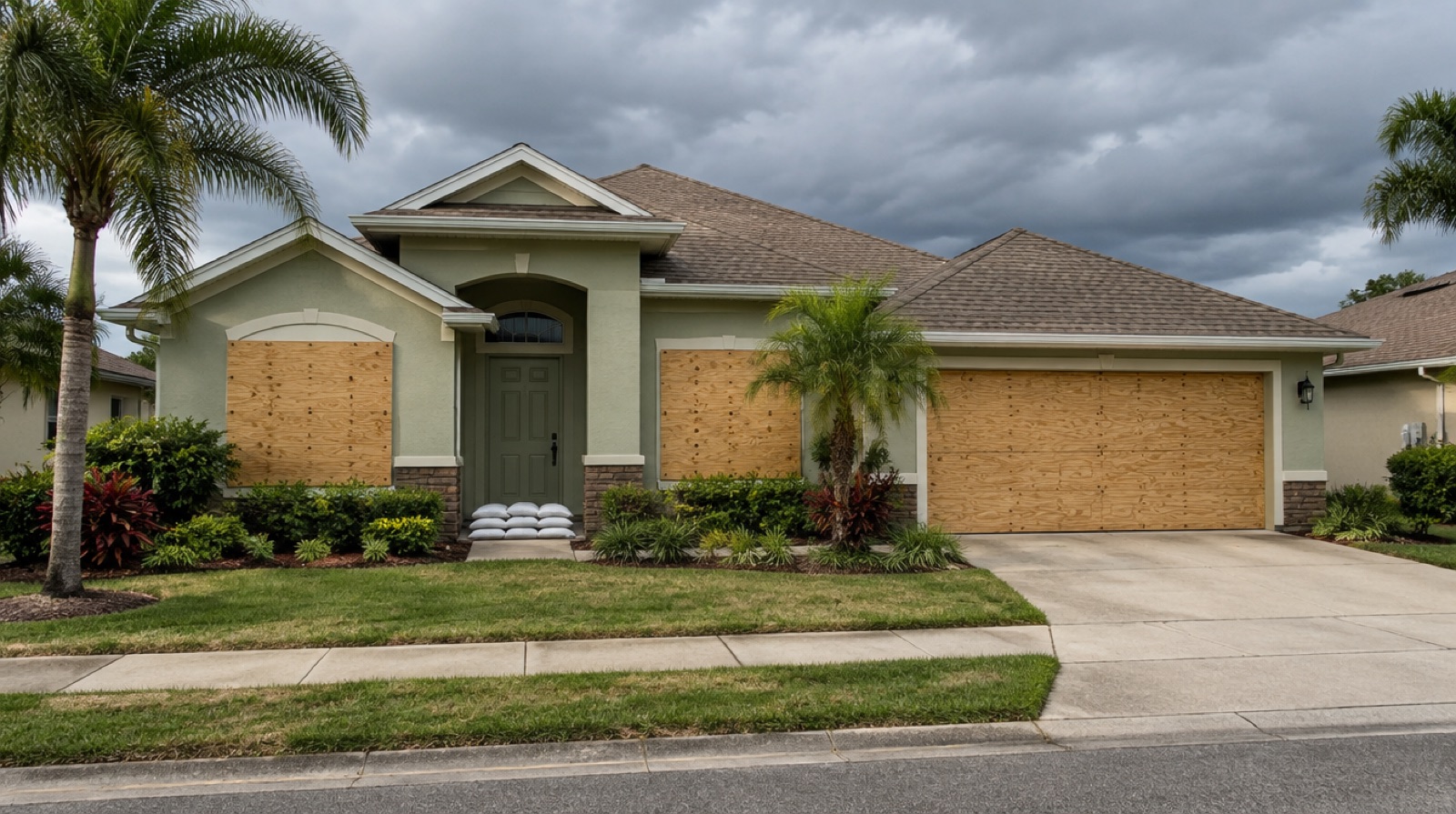
Hurricane season is a serious concern for Florida homeowners. Strong winds, heavy rain, roof damage, water intrusion, fallen trees, and flooding can cause significant damage to a home. Preparing before a storm can help protect your property and may also make a major difference if you need to file a hurricane damage insurance claim.
Below are some of the most important steps Florida homeowners should take before and after hurricane season begins.
1. Review Your Homeowners Insurance Policy Before Hurricane Season
Before a hurricane is approaching, review your homeowners insurance policy. Pay close attention to your hurricane deductible, windstorm coverage, roof coverage, water damage coverage, and any exclusions or limitations.
Many homeowners do not fully understand their insurance coverage until after storm damage occurs. Reviewing your policy early can help you understand what may be covered and what steps you need to take if your home is damaged.
2. Take Photos and Videos of Your Property Before a Storm
One of the best ways to protect yourself before hurricane season is to document the condition of your home. Take clear photos and videos of your roof, ceilings, walls, floors, windows, doors, garage, fence, exterior, and personal property.
This documentation may help show the condition of your property before the hurricane or storm damage occurred. If your insurance company later disputes the cause or extent of the damage, these photos and videos may become important evidence.
3. Inspect Your Roof, Gutters, Windows, and Exterior
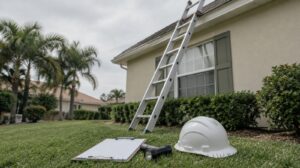
Before hurricane season, inspect your home for issues that could become worse during a storm. Look for loose roof shingles or tiles, clogged gutters, damaged windows, weak tree limbs, drainage problems, and exterior damage.
Insurance companies may try to argue that certain damage was caused by wear and tear, lack of maintenance, or pre-existing conditions. Taking care of known issues before a storm can help reduce potential disputes during the insurance claim process.
4. Know the Difference Between Wind Damage and Flood Damage
Florida homeowners should understand that wind damage and flood damage are usually treated differently under insurance policies. Homeowners insurance may cover certain hurricane, wind, roof, and water intrusion damage, but flood damage often requires a separate flood insurance policy.
Before hurricane season, review whether you have flood insurance and whether your property is located in a flood-prone area.
5. Secure Your Property Before a Hurricane
If a hurricane or tropical storm is approaching, secure outdoor furniture, grills, trash cans, decorations, tools, and anything else that could become airborne. Install hurricane shutters or board up windows if needed.
Taking reasonable steps to protect your property may help reduce damage and show that you acted responsibly before the storm.
6. Report Hurricane Damage to Your Insurance Company Promptly
If your home suffers hurricane damage, storm damage, roof damage, or water damage, report the claim to your insurance company as soon as possible. Waiting too long can create problems with your claim and may give the insurance company a reason to dispute coverage.
After the storm, take photos and videos of all visible damage before making temporary repairs.
7. Make Temporary Repairs to Prevent Further Damage
Homeowners generally have a responsibility to protect their property from further damage after a loss. This may include tarping a damaged roof, drying out water, removing wet materials when appropriate, or taking other reasonable temporary steps.
Keep all receipts, invoices, photos, and records related to temporary repairs. These documents may be important for your hurricane damage insurance claim.
8. Be Careful Before Signing Documents After a Storm
After a hurricane, homeowners are often contacted by contractors, roofers, adjusters, and other companies. Before signing any contract, direction to pay, release, or settlement paperwork, make sure you understand what you are signing.
Some documents may affect your rights or control over the insurance claim.
9. What to Do if Your Hurricane Insurance Claim Is Denied or Underpaid
Even when Florida homeowners do everything right, insurance companies may still deny, delay, or underpay valid hurricane damage claims. Common disputes involve roof damage, wind damage, water intrusion, interior damage, causation, wear and tear, late notice, and the amount of repairs.
If your insurance company denied your claim, delayed payment, or offered less than what is needed to repair your home, you may want to speak with a Florida property damage attorney.
At Eisenstein Legal, we help Florida homeowners and business owners with property damage insurance claims, including hurricane damage, storm damage, roof damage, water damage, and denied or underpaid insurance claims.
Frequently Asked Questions About Hurricane Damage Insurance Claims
How should I prepare my home for hurricane season in Florida?
Florida homeowners should review their insurance policy, document the condition of their home, inspect the roof and exterior, secure outdoor items, and make sure important documents are saved in a safe place.
Should I take photos before hurricane season?
Yes. Photos and videos taken before a storm can help show the condition of your property before hurricane damage occurred.
How quickly should I report hurricane damage to my insurance company?
You should report hurricane damage as soon as possible after discovering it. Delays can create issues with your insurance claim.
Does homeowners insurance cover flood damage?
Not always. Flood damage is often excluded from standard homeowners insurance policies and may require a separate flood insurance policy.
What if my hurricane insurance claim is denied or underpaid?
If your hurricane damage claim is denied, delayed, or underpaid, a Florida property damage attorney may be able to review the claim and help you understand your options.
Contact Eisenstein Legal for Help With a Hurricane Damage Insurance Claim
Hurricane season can be stressful for Florida homeowners, especially when dealing with property damage or an insurance company that refuses to pay what is owed. Whether you need help navigating the claim process or your property insurance claim was denied, delayed, or underpaid, Eisenstein Legal may be able to help.
Contact Eisenstein Legal today to discuss your claim.