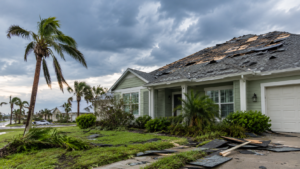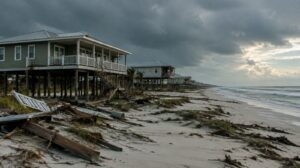
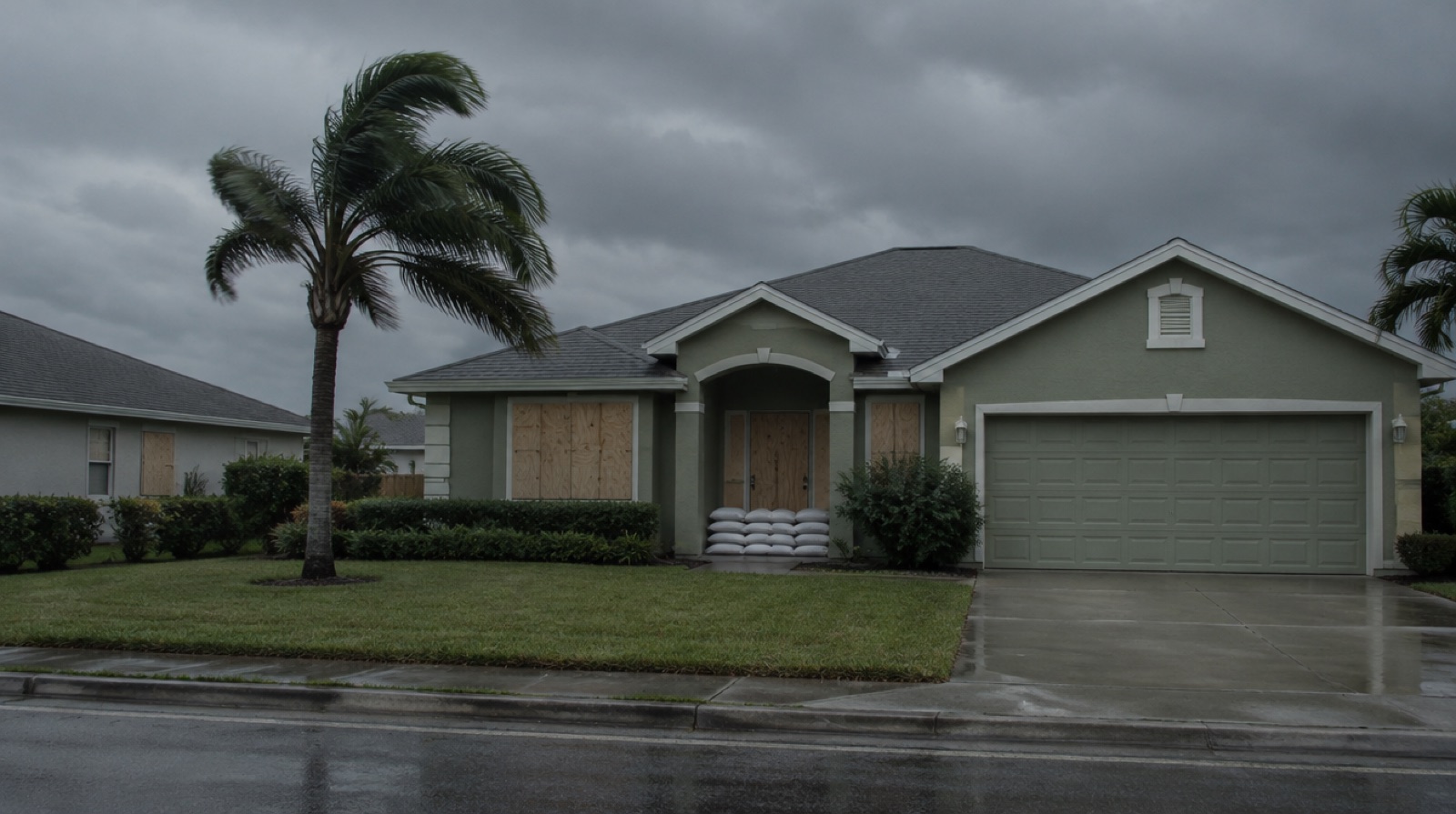
Now that hurricane season is in full swing, this is a reminder to homeowners and business owners know that preparing your home or business for a major storm isn’t just a physical checklist, it’s a legal and financial shield.
Whether you live in Orlando, Sanford, Kissimmee, Winter Park, Winter Garden, Clermont or anywhere in Florida, you need to know how to protect your home or business in all aspects before a hurricane hits.
When storm damage occurs, the insurance claims process can quickly become an uphill battle. Here is what you need to do before the storm hits to safeguard your property and protect your legal rights under Florida law.
1. Document Everything (Your “Before” Evidence)
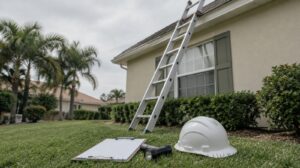
If you need to file a property damage claim after a hurricane, the burden of proof falls on you to show the exact condition of your home prior to the storm.
- Take a Date-Stamped Video Walkthrough: Walk around your entire property, inside and out. Film your roof line, siding, fence, windows, garage door, outbuildings, and landscaping. Inside, open closets and cabinets, and capture high-value items like electronics, appliances, and furniture.
- Create a Home Inventory List: Keep a detailed spreadsheet of major appliances and valuables, including model numbers, estimated values, and receipts if you have them.
- Store Backups in the Cloud: Physical receipts or USB drives can be lost or ruined by water. Upload all photos, videos, and receipts to secure cloud storage immediately.
Legal Tip: Insurance companies often claim that storm damage was caused by “pre-existing wear and tear” or lack of maintenance. Having clear, high-resolution photos taken just days before a storm makes it very difficult for an insurer to deny your claim on those grounds.
2. Review Your Insurance Coverage & Understand Your Deductible
Many Florida policyholders are surprised to learn how their insurance actually works until they try to file a claim. Before a named storm enters the Gulf or Atlantic, review your policy declarations page:
- Hurricane Deductibles vs. Standard Deductibles: In Florida, hurricane deductibles are typically calculated as a percentage of your total dwelling coverage (usually 2% to 5%), rather than a flat dollar amount. If your home is insured for $400,000 with a 5% hurricane deductible, you are responsible for the first $20,000 in repairs before insurance pays a single dollar.
- Flood Insurance vs. Windstorm Coverage: Standard homeowners insurance policies cover wind damage, but they do not cover flood damage. Rising lakes in the I-4 corridor, overflowing retention ponds, and ground-water accumulation fall under separate flood insurance (NFIP or private flood carriers).
- Review Policy Exclusions: Watch out for “Anti-Concurrent Causation” clauses, where insurers try to deny wind damage coverage if water damage happened around the same time.
3. Physical Prep That Protects Your Legal Standing
Florida insurance policies require policyholders to maintain their properties and mitigate potential hazards. Failing to perform basic prep could give an insurer an opening to reduce your payout.
- Trim Trees & Overhanging Limbs: Mature live oaks and pine trees are notorious for crushing roofs and snapping power lines during high winds. Prune dead or overhanging branches away from your home.
- Clean Gutters and Downspouts: Ensure water drains away from your foundation to prevent interior pooling during torrential downpours.
- Secure Outdoor Projectiles: Bring in patio furniture, potted plants, grills, and yard decorations. In hurricane-force winds, a light patio chair can easily become a projectile that shatters a window, allowing severe water damage inside.
4. Know Florida’s Legal Claim Deadlines
If a storm impacts Central Florida and damages your home or business, time is of the essence under state law.
Under Florida Statute § 627.70132, property owners generally have one year from the date of the loss to file an initial or reopened property insurance claim. While one year sounds like plenty of time, delaying can jeopardize your claim. Structural damage, hidden roof leaks, and toxic mold can worsen over time, giving insurance adjusters room to argue that post-storm neglect caused the issues.
What to Do Immediately After the Storm Hits
- Safety First: Wait for all clear directives from local Florida emergency management officials before stepping outside to inspect damage.
- Document the “After”: Take extensive photos and videos of all damage before moving anything or starting cleanup.
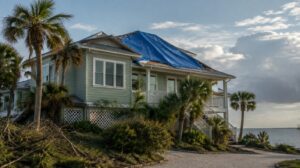
- Make Temporary Repairs (Mitigation): You have a legal obligation under your policy to prevent further damage. Tarp broken roof sections or board up shattered windows. Keep every receipt for tarps, plywood, and repair tools, as these expenses are typically reimbursable.
- Avoid Permanent Repairs Early: Do not make permanent structural repairs until an insurance adjuster has thoroughly inspected the damage.
Fighting a Denied, Delayed, or Underpaid Claim
Insurance companies are massive corporations designed to protect their bottom line especially after a major storm causes widespread claims across Florida. It is crucial to have more knowlege of the insurance claim process before a major storm or other unfortunate events hits your property.
Our legal team understands Florida property insurance laws inside and out. We help Central Florida and all Florida homeowners and business owners stand up to insurance companies to fight for the full compensation they are rightfully owed.
Have Questions About Your Policy or a Storm Claim?
Contact our office today for a free, no-obligation policy review and claim consultation.