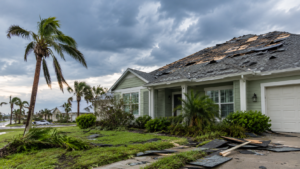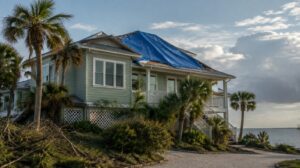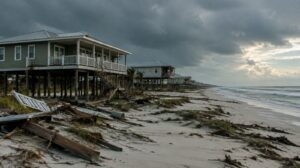
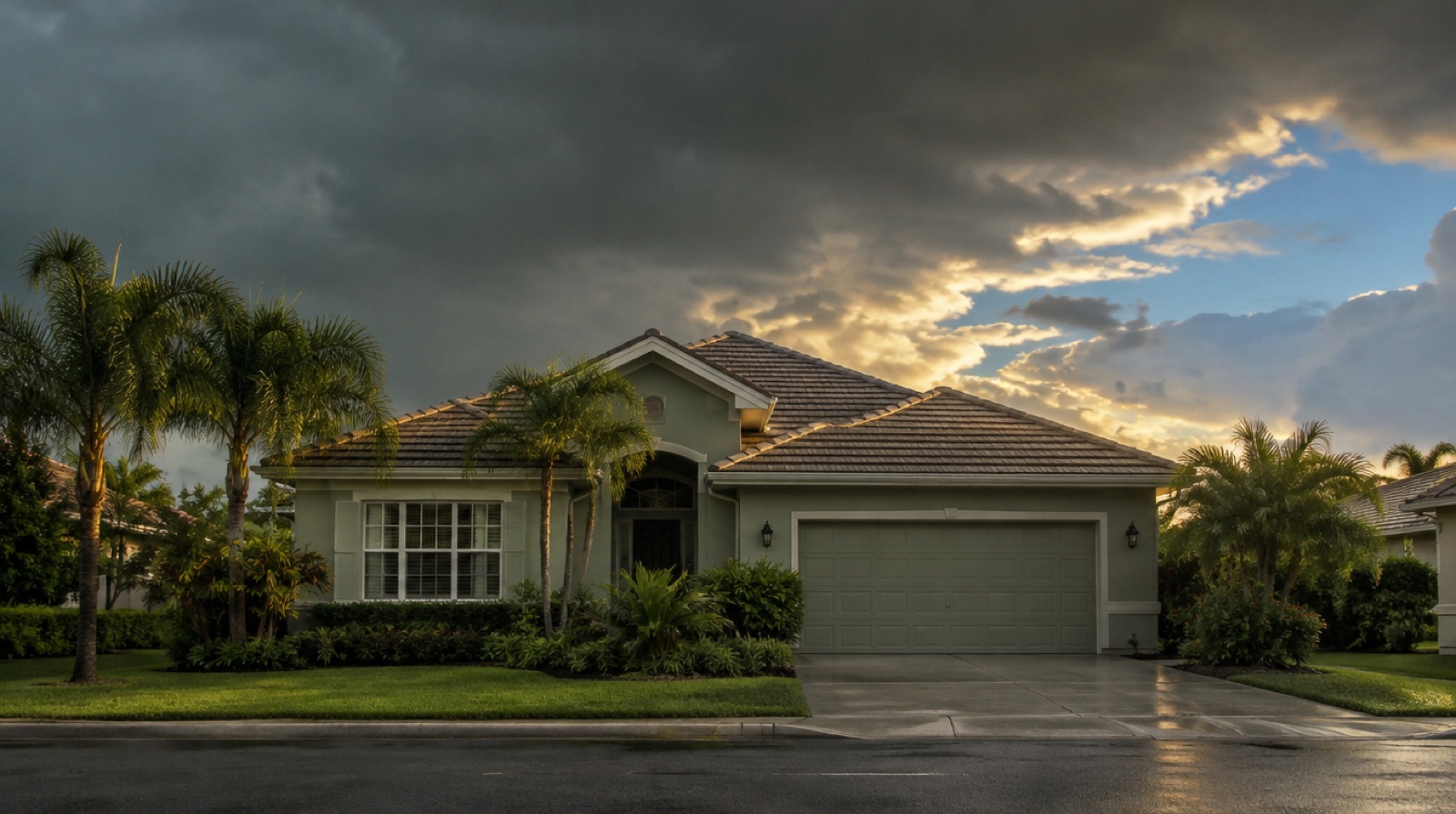
If your home suffers severe roof damage from a storm, a major water line burst, or structural issues, the last thing you want is a legal battle.
For years, intense news coverage surrounding Florida’s insurance market reforms created a persistent narrative: lawsuits are destroying the insurance market, so suing your carrier will only backfire on you.
This narrative has left many policyholders paralyzed by fear. Homeowners worry that taking legal action will land them on a “black list,” drive their rates through the roof, or trigger an instant policy cancellation.
The truth is quite different. Filing a property damage lawsuit is not an act of aggression – it is a standard, legally protected contractual remedy designed to hold insurance companies accountable to the policies you pay for every single month.
Myth vs. Reality: Debunking Policyholder Fears
Myth 1: “If I sue my insurance company, they will cancel my policy immediately.”
Reality: Florida insurance laws strictly prohibit carriers from canceling or non-renewing a policy simply because a policyholder exercises their legal right to dispute an underpaid or denied claim. While insurers can issue non-renewals for broader market reasons or verified structural risks, retaliatory cancellation purely for seeking a fair court resolution is illegal under state regulatory frameworks.
Myth 2: “Filing a lawsuit will cause my individual rates to skyrocket.”
Reality: Insurance rates in Florida are calculated using regional risk pools, broader hurricane trends, and statewide reinsurance costs, not whether you personally filed a suit to collect money owed to you under your contract. You pay premiums precisely so funds are available when disaster strikes. Accepting an underpaid offer that leaves $30,000 in roof repairs on your own shoulders out of fear of a slight premium adjustment is a losing financial proposition.
Myth 3: “Litigation takes years and costs too much out of pocket.”
Reality: While court cases used to drag on indefinitely, Florida’s evolving claim resolution frameworks have created faster, structured paths to settle coverage disputes. Furthermore, most property damage attorneys handle policy disputes on a contingency fee model like us, meaning homeowners pay no upfront legal costs out of pocket.
When a Lawsuit is Your Only Real Protections
Insurance companies are profit-driven corporations. When widespread storm damage or major pipe leaks occur, carrier adjusters routinely use tactics designed to minimize payouts:
- The “Pre-Existing Wear and Tear” Defense: Claiming your storm-damaged roof was simply “too old” prior to the event to avoid paying for a full replacement.
- Lowball Payout Estimates: Offering $5,000 for a repair job that local licensed Florida contractors estimate will cost $25,000.
- Arbitrary Partial Denials: Paying to fix water damage on your drywall while refusing to cover the underlying plumbing or roof leak that caused it.
When an insurer issues a final denial or an offer that doesn't cover actual repair bills, accepting that decision leaves you footing the bill for damage you spent years paying premiums to cover. Filing a lawsuit forces the carrier to produce actual engineering evidence and justify their numbers in front of a neutral third party.3 Essential Steps Before Taking Action
If you are facing an underpaid or denied claim, you can protect your rights while building a bulletproof dispute file:
- Document Every Interaction: Keep a written log of every call, email, and inspector visit, including the names and license numbers of any adjusters involved.
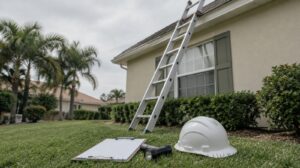
- Obtain Independent Local Estimates: Never rely solely on the insurance company’s internal adjuster. Get 2–3 written repair estimates from licensed, insured Florida contractors who understand current local building codes.
- Consult an Insurance Claims Specialist: Before accepting a “final” lowball check or giving up on a denied claim, have a qualified Florida property damage attorney review your policy language and denial letter to evaluate your legal options.
Taking legal action isn’t about being confrontational, it’s about ensuring your home is properly restored to safe, livable condition. If you have any questions at all about the claim process in Florida, give Eisenstein Legal a call. We offer free consultations and handle these types of cases on a contingency basis and throughout the state of Florida.