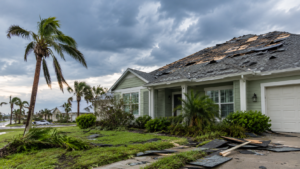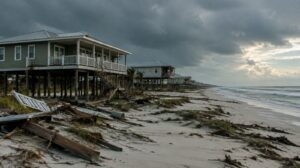
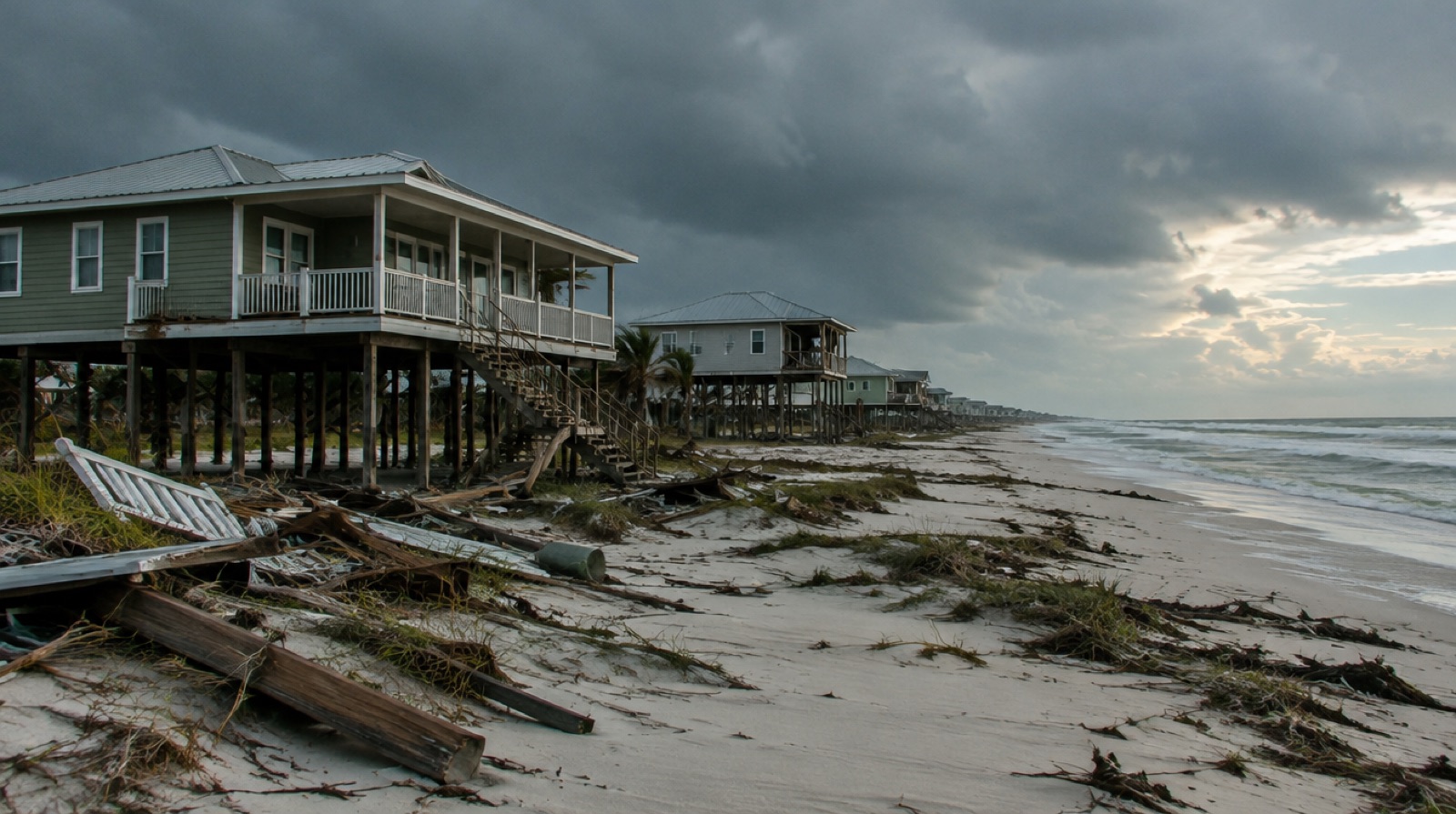
Hurricane Isaias is approaching the Gulf Coast, and homeowners across the Florida Panhandle are preparing for potentially significant wind, rain, storm surge, and flooding. Pensacola, Panama City, and surrounding communities may experience property damage as the storm moves through the region.
If your home or business is damaged by Hurricane Isaias, what you do immediately after the storm can make a significant difference in your insurance claim.
Document Your Property Damage
After it is safe to return to your property, thoroughly document the damage.
Take photographs and videos of:
- Roof damage
- Missing or damaged shingles or tiles
- Water intrusion
- Ceiling and drywall damage
- Broken windows and doors
- Damage to personal property
- Fallen trees and debris
- Fence and exterior damage
- Damage to detached structures
- Signs of wind or storm-related damage
If you live in Pensacola, Panama City, or another Florida Panhandle community affected by the storm, take as many photographs and videos as reasonably possible before making substantial repairs or removing damaged property.
The Florida Department of Financial Services recommends documenting property damage with photographs and videos and keeping receipts for repairs and other expenses.
Report the Damage to Your Insurance Company
If your property has been damaged, report the loss to your insurance company as soon as possible.
When reporting a hurricane claim in Pensacola or Panama City, provide the date of the storm and describe the damage you know about. You do not necessarily need to know the full extent or cost of the damage before reporting the claim.
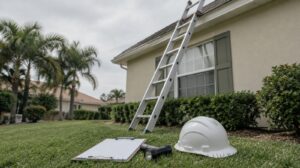
Your insurance company will generally arrange for an adjuster to inspect the property.
Keep records of your claim number, communications with the insurance company, inspections, estimates, and any payments you receive.
Take Reasonable Steps to Prevent Further Damage
Your responsibility does not necessarily end after you report the claim.
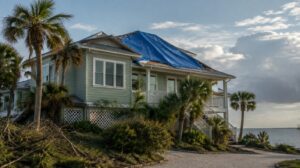
If your roof has been damaged, you may need to take reasonable temporary measures to prevent additional water from entering the property. This could include placing a tarp over a damaged portion of the roof or taking other temporary protective measures.
Document these repairs and keep your receipts.
Florida’s Department of Financial Services specifically recommends making emergency or temporary repairs to prevent further damage and keeping documentation of the work.
Be Careful About Throwing Damaged Property Away
Hurricane damage can create a major cleanup project, especially after wind, rain, and flooding.
If an item is unsafe or presents a health hazard, take photographs and videos before disposing of it when possible. Otherwise, consider preserving damaged items until the insurance company has had an opportunity to inspect them.
This can be particularly important when dealing with expensive personal property, appliances, flooring, roofing materials, or other items that may be part of an insurance claim.
Understand That the First Insurance Estimate May Not Tell the Whole Story
One of the biggest mistakes homeowners can make after a hurricane is assuming that the insurance company’s first estimate is necessarily the final amount of damage.
Storm damage can be extensive and sometimes difficult to identify immediately.
For example, a hurricane can cause damage to:
- Roofing systems
- Exterior walls
- Windows and doors
- Drywall and insulation
- Flooring
- Electrical systems
- HVAC equipment
- Fencing
- Other structures
- Personal property
Additional damage may also become apparent after the initial inspection.
If you are in Pensacola, Panama City, or elsewhere in the Florida Panhandle and believe your insurance company’s estimate does not account for all of your covered damage, you may want to have the claim reviewed by a qualified Florida property damage attorney.
Watch for Water, Wind, and Flood Coverage Issues
Hurricane claims can involve several different types of damage.
Wind-driven rain, roof damage, storm surge, and flooding may be treated differently depending on the circumstances and the insurance policies involved.
This is particularly important for homeowners in coastal areas such as Pensacola and Panama City.
Standard homeowners insurance generally does not cover flood damage, so homeowners should carefully review their policies and determine what coverage applies to the specific cause of their loss.
What If Your Insurance Company Denies or Underpays Your Claim?
Unfortunately, filing a hurricane claim does not always mean the insurance company will agree with you about the amount of damage or what is covered.
An insurance company may:
- Deny part or all of a claim
- Determine that damage falls below the deductible
- Attribute damage to wear and tear or another excluded cause
- Pay less than the amount needed to make covered repairs
- Disagree about whether wind or water caused the damage
- Request additional inspections or documentation
If you believe your hurricane insurance claim has been improperly denied, delayed, or underpaid, you should consider getting legal advice before accepting a settlement that does not adequately address your property damage.
Pensacola and Panama City Homeowners Have Options
Hurricane damage can be overwhelming. Your priority should be keeping your family safe and protecting your property.
After that, document the damage, report the claim, keep your records, and carefully review what your insurance company offers.
If you are a homeowner or business owner in Pensacola, Panama City, or another Florida Panhandle community dealing with significant hurricane-related property damage, Eisenstein Legal represents property owners in insurance disputes throughout Florida.
Our attorneys handle first-party property insurance claims involving storm, wind, hurricane, water, roof, and other property damage.
If your insurance company has denied, delayed, or underpaid your hurricane damage claim, contact Eisenstein Legal to discuss your options.
For a summary of what to do after the storm, the areas we serve and the claim deadlines, see our Hurricane Isaias Property Damage Claims page.